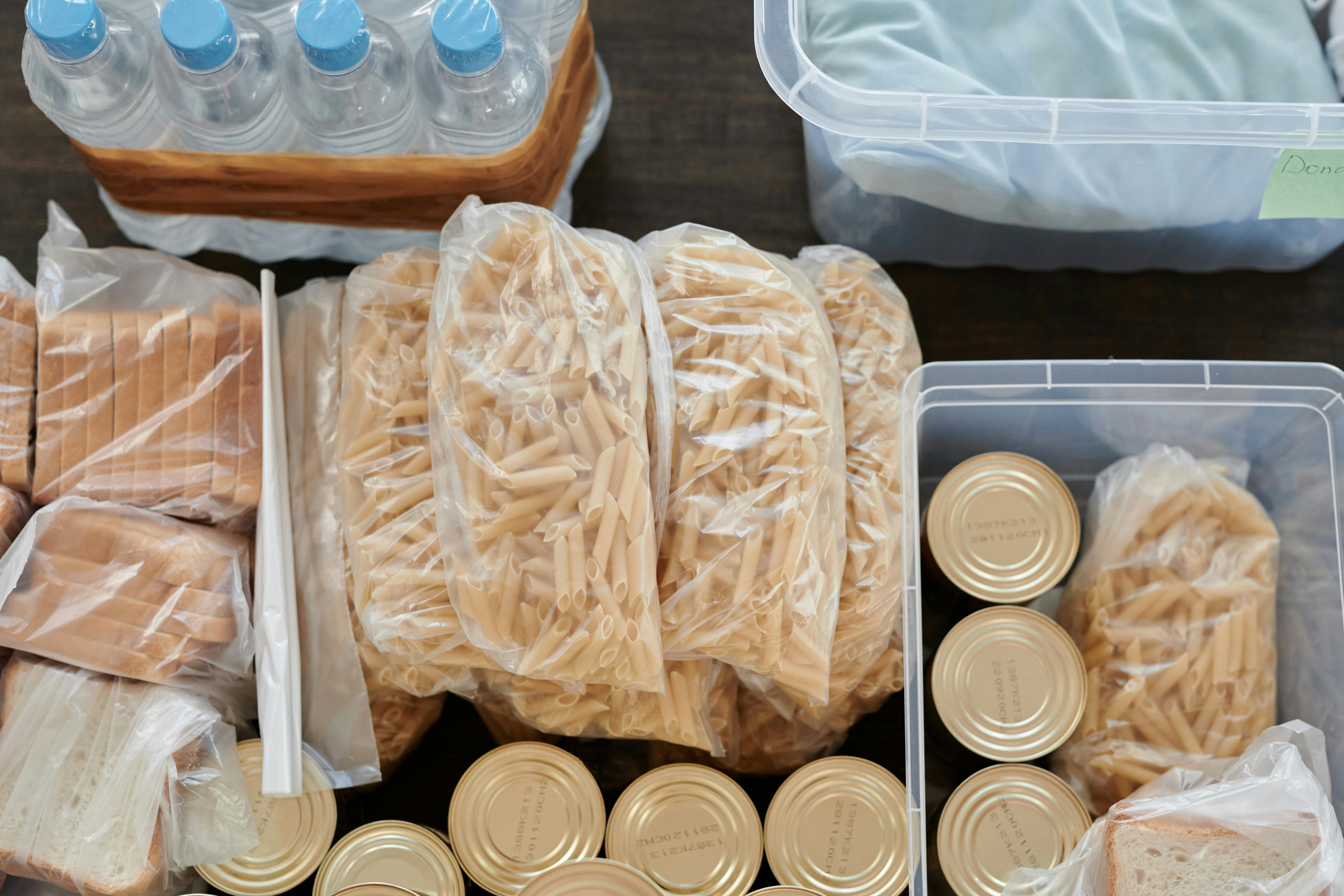
Food Storage Containers
Food storage containers should make everyday routines easierβnot add friction. Start with a small, consistent set for pantry staples, leftovers, meal prep, and the fridge.
A simple way to choose:
- Pick a primary material (glass for long-term cleanliness, plastic for portability)
- Standardize shapes so they stack neatly in cabinets and fridges
- Prioritize airtight for pantry items and leak resistance for lunches
- Start with a few sizes youβll actually use, then expand consistently
Filters
1 product
Details & Buying Guide
Choosing the right food storage containers is less about buying βmoreβ and more about building a consistent system. Below are practical ways to choose containers that fit your kitchen, routines, and storage space.
Start by use case
Pantry staples (dry food)
Look for airtight seals and stackable shapes. Consistent footprints help shelves stay tidy and easier to maintain.
Leftovers & fridge storage
Choose containers that stack well and fit your fridge shelves. Clear sides help you see what you have at a glance.
Meal prep & portioning
Pick a few repeatable sizes (small/medium/large) so your fridge stays organized and your lids donβt become a mess.
Freezer storage
Choose freezer-safe containers, leave headspace when freezing, and prioritize shapes that stack without wasting space.
Materials: glass vs plastic
Glass containers are typically easier to keep odor-free and stain-free, and theyβre great for reheating. They feel premium and hold up well over time, but theyβre heavier.
Plastic containers are lighter and more travel-friendly. They can be a better fit for lunches and on-the-go routines, but may stain or hold odors over time depending on use.
A practical approach:
- Use glass for home routines (fridge, leftovers, reheating)
- Use plastic for portability (lunch bags, travel, kids)
Seals: airtight vs leak-resistant
βAirtightβ usually matters most for dry foods where humidity and staleness are the problem.
βLeak-resistantβ matters most for lunches and sauces.
What to look for:
- Lids that close evenly without warping
- A seal design that feels consistent when closing
- A lid style you can repeat across your most-used sizes
Shapes and stackability
Stackability is the difference between a system that stays clean and a cabinet that becomes clutter again.
Choose shapes that:
- Fit your shelf depth and fridge layout
- Stack without sliding
- Use consistent footprints (so you can mix sizes without chaos)
Sizes that match real use
You donβt need dozens of containers to start. You need the right mix.
A practical starter set:
- Small: dips, snacks, small leftovers
- Medium: leftovers, prepped ingredients, lunch portions
- Large: batch cooking, salads, family-size storage
Once you notice which sizes you use most, expand with matching shapes and lid styles.
Who this collection is for (and who itβs not for)
This collection is for you ifβ¦
- You want a consistent system for pantry, fridge, and meal prep
- Youβre trying to reduce clutter and lid mismatch
- You care about usability, reliability, and clean storage routines
You may want a different solution ifβ¦
- You need specialty containers for canning or long-term preservation
- Youβre looking for single-purpose items instead of a flexible system
Quick tips to keep your system tidy
- Decide on 1β2 lid styles and stick to them
- Store lids vertically in a bin or divider
- Group containers by footprint (small/medium/large)
- Add only what your shelves can hold comfortably

Explore related collections & Helpful guides
Explore related collections
By use case
- Pantry Storage Containers
- Fridge Organization Containers
- Meal Prep Containers
- Freezer Food Storage Containers
- Produce Storage Containers
- Lunch Containers / Bento Boxes
- Snack Containers
By features & materials
- Airtight Food Storage Containers
- Leakproof Food Storage Containers
- Glass Food Storage Containers
Helpful guides
- How to Choose Food Storage Containers (Buying Guide)
- Glass Food Storage Containers: Pros, Cons & What to Look For
- Airtight Food Storage Containers: What It Means & What to Look For
- Food Storage Container Sizes Explained (Starter Set)
- How to Organize Food Storage Containers (Lids, Stacking & Small Kitchen Tips)
- How to Clean Food Storage Containers (Stains, Odors & Dishwasher Tips)
FAQ
Are glass food storage containers better than plastic?
Glass is often easier to keep odor-free and stain-free, and it can feel more durable over time. Plastic is lighter and usually better for travel and lunch bags. The βbestβ choice depends on whether you prioritize portability (plastic) or long-term cleanliness and durability (glass).
What are pantry storage containers used for?
Pantry storage containers are typically used for dry goods like flour, sugar, cereal, pasta, and snacks. Look for airtight seals and stackable shapes to keep shelves tidy and help reduce humidity exposure.
What does βairtightβ actually mean?
Β An airtight container has a lid design that limits airflow and moisture exchange when closed properly. For pantry use, airtight seals can help keep dry goods crisp and organized. For lunches, you may care more about leak resistance than full airtight performance.
Can food storage containers go in the microwave, freezer, or dishwasher?
It depends on the specific product. Many containers are designed for freezer storage and dishwasher cleaning, and some are microwave-safe (often with venting guidance). Always confirm the care instructions on the specific product you choose.
How do I prevent stains and odors in food containers?
Rinse containers soon after use, avoid leaving strongly colored sauces sitting for long periods, and let containers dry fully before stacking. If odors build up over time, switching some use-cases to glass can help.
How many containers do I need to start organizing my kitchen?
Start with a small, practical mix: a few small containers, a few medium containers, and a couple of larger ones. Once you see which sizes you use most, expand with matching shapes and lid styles to keep your system consistent.


![[Sample] PRAKI Airtight Food Storage Container Set](http://grifglo.com/cdn/shop/files/sample1.jpg?v=1772665884&width=258)
![[Sample] PRAKI Airtight Food Storage Container Set](http://grifglo.com/cdn/shop/files/sample2.jpg?v=1772665917&width=679)