

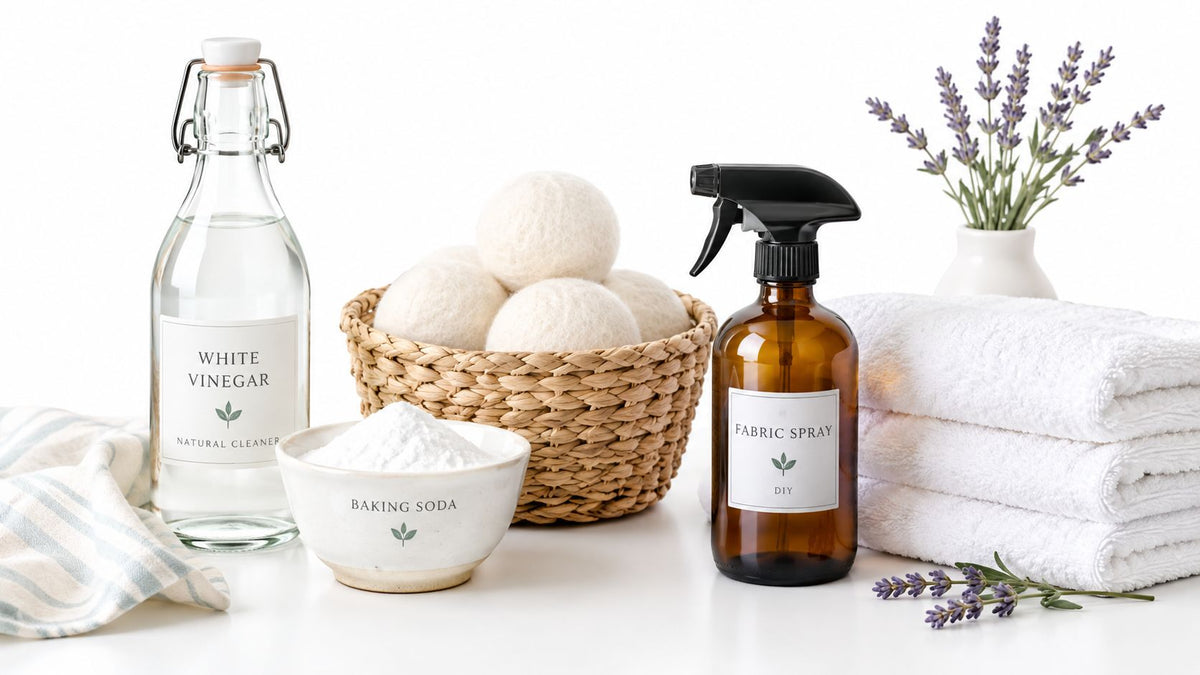
Most laundry advice gets this backwards. Clothes don't become softer because they're coated in a heavily scented conditioner. Commercial fabric softeners create a smooth hand feel by leaving a film on fibres, but that film can make towels less absorbent, interfere with moisture-wicking fabrics, and hold on to odours. A good fabric softener alternative should solve the actual problem, whether that's friction, static, detergent residue, or mineral buildup, rather than masking it with fragrance.
The right replacement depends on your laundry method and your water. A rinse-cycle option can help with residue, while wool dryer balls work through tumbling and airflow. Baking soda may help with odours, but it isn't a true water softener. Essential oils add scent, not softness. Once you separate those jobs, choosing an alternative becomes much easier.
Table of Contents
- Why Switch to a Fabric Softener Alternative
- Best Liquid and Rinse-Cycle Substitutes
- Dryer-Based Solutions and Wool Balls
- Adding Scent with DIY Fabric Sprays
- Fabric Compatibility and Allergy Considerations
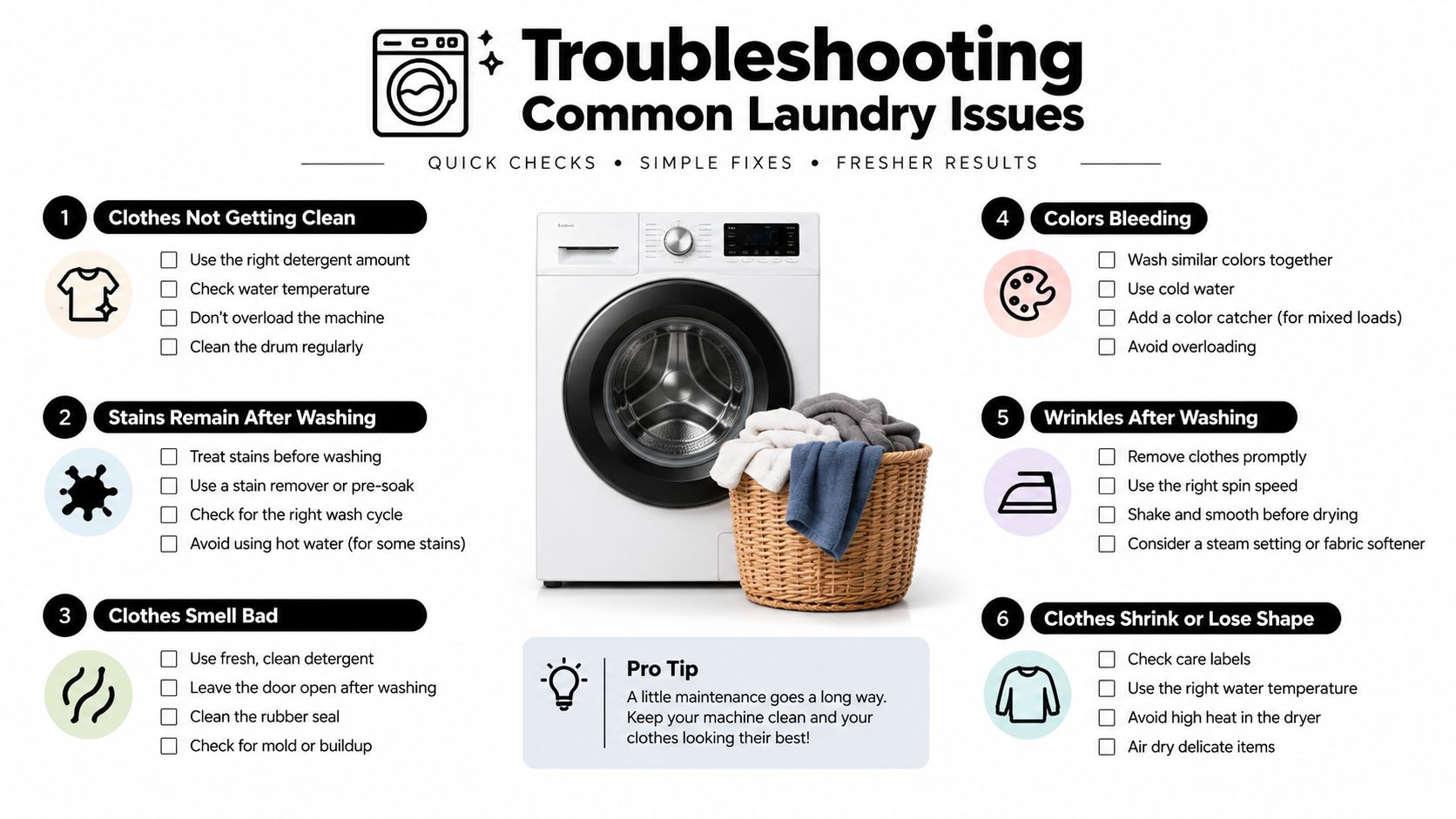
- Troubleshooting Common Laundry Issues
Why Switch to a Fabric Softener Alternative
Softness can be a warning sign. Conventional fabric softeners often create a smooth hand feel by depositing conditioning ingredients, including quaternary ammonium compounds, onto fibres. The result feels softer because the fibres are lubricated, not because the fabric has become cleaner or better rinsed. With repeated use, that coating can change how textiles absorb water, release soil, and move moisture.
Towels show the trade-off quickly. Their purpose is to take up water, yet a waxy film can reduce absorbency. Sportswear, microfibre cloths, and other moisture-managing textiles can lose performance for the same reason. A shirt that smells fresh but holds sweat against the skin still has a laundry problem.
Canadian environmental-health guidance on fabric softeners also describes concerns about quaternary ammonium compounds entering waterways and affecting aquatic life. It links that concern to the residue conventional softeners leave on fabric. Avoiding unnecessary coating therefore supports both textile performance and wastewater choices.
Softness has more than one cause
A rough load needs diagnosis before it needs another product:
- Friction: Fibres rub together during washing and drying. Better load sizing, gentler movement, and controlled tumbling can reduce roughness without adding a film.
- Residue: Too much detergent, poor rinsing, or mismeasured additives can leave fabric stiff, dull, or slightly greasy.
- Minerals: Calcium and magnesium from hard water can remain on fibres, with the effect often more noticeable after line drying.
- Static: Dry air and synthetic fibres create cling. Reducing static requires a different intervention from making cotton feel smoother.
- Heat and over-drying: Long, hot cycles can make cotton feel brittle and damage the original hand of delicate materials.
Water hardness deserves precise treatment. The California State Water Resources Control Board's explanation of household water softening identifies ion exchange as the only known household method for softening water. It describes onsite regeneration, onsite regeneration with hauled brine, and portable exchange service as possible arrangements. Vinegar and baking soda can affect residue or odour, but they do not remove hardness minerals in the technical sense.
Practical rule: Match the intervention to the complaint. A rinse additive may address residue, dryer airflow may reduce friction, and a separate water-softening system may be required for hard water. No single product should be expected to soften fibres, remove minerals, control static, add fragrance, and clean the washer.
Start with accurate detergent dosing, a load size that leaves textiles room to move, and a complete rinse. Adjust drying time and heat before adding more products. This fit-for-purpose approach also appears in this guide to eco-friendly kitchen appliances, where a tool should be judged by what it does rather than by its marketing.
Best Liquid and Rinse-Cycle Substitutes
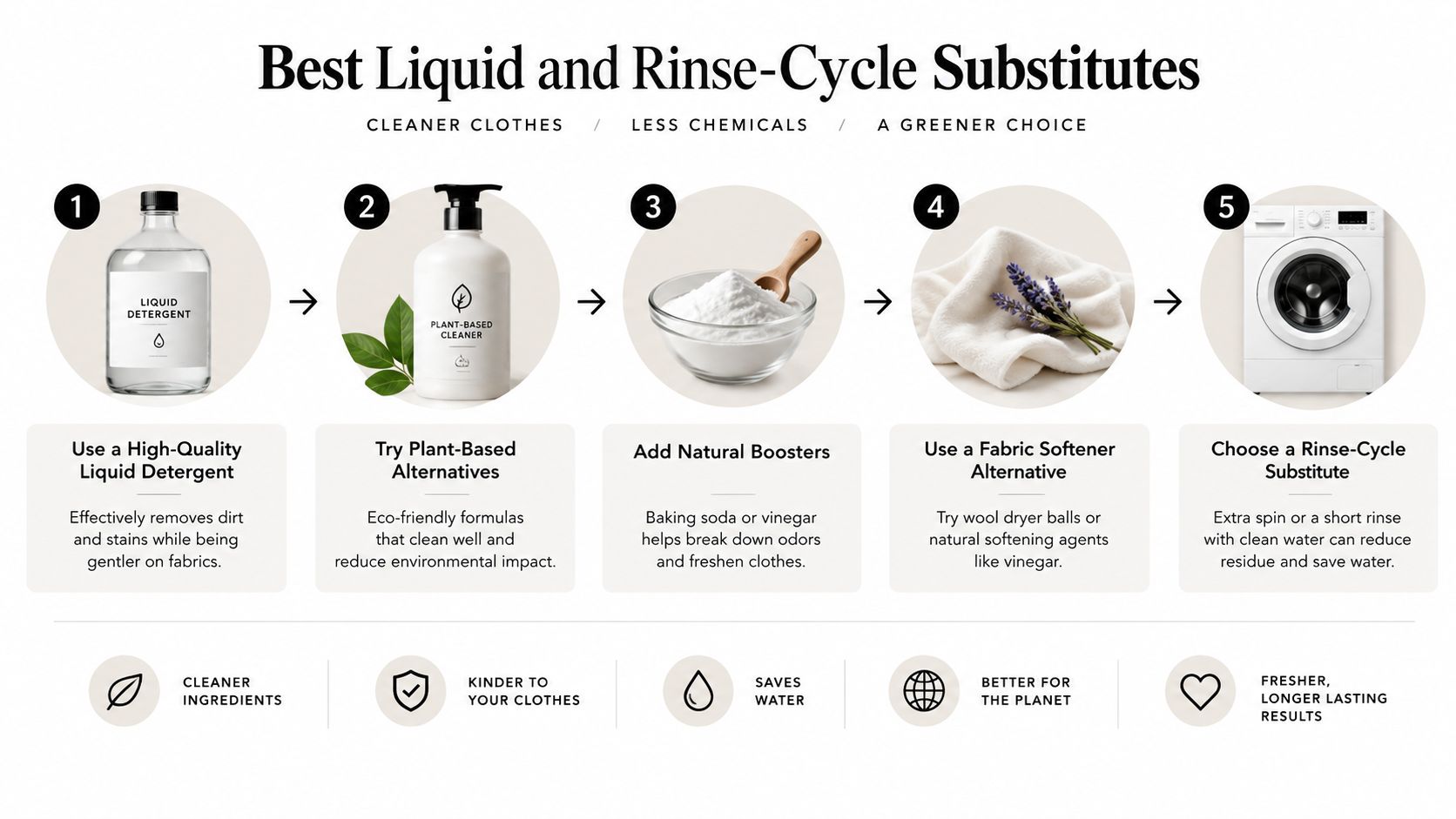
White vinegar is a useful rinse additive, but it is not a true fabric softener. It does not coat fibres with lubricating agents, so the finish will not feel slick or waxy. For many Canadian households, it remains practical because it is inexpensive, easy to find, and commonly used as a rinse-cycle substitute. Home laundry communities commonly suggest about 1/4 cup in the rinse compartment, as in this Canadian discussion of white vinegar as a laundry replacement.
Vinegar belongs in the rinse stage, not the wash. Its acidity can help counter leftover alkaline detergent and some mineral residue after washing, which may make cottons and linens feel cleaner and less stiff. The difference is most noticeable with line-dried laundry or garments that feel coated. A load that already rinses thoroughly and dries with low friction may show little change.
How to use vinegar without overdoing it
- Start with a modest amount. Add approximately 1/4 cup of plain white vinegar to the fabric-softener dispenser. Start low rather than increasing the dose after one disappointing result.
- Keep it in the rinse stage. The dispenser should release vinegar after the main wash. Adding it directly to detergent can interfere with the wash chemistry responsible for removing soil.
- Use it selectively. Test it on cotton sheets, everyday clothing, and towels that feel stiff or coated. Avoid making it the automatic treatment for every load.
- Judge the dry fabric. Check the result after drying. If the textile feels cleaner and less rigid, the amount is doing enough. More acid will not automatically create more softness.
- Keep the dispenser clear. Rinse the compartment regularly because residue can restrict the flow path, particularly in an HE machine. A refillable setup such as this soap dispenser refill can also make regular cleaning easier, but the drawer still needs rinsing.
Vinegar is a poor universal treatment. Repeated or excessive use may affect elastics, delicate finishes, and odour control in mixed loads. Avoid it for swimwear, technical stretch garments, and items with care labels requiring special handling. It also cannot provide the fibre lubrication of conventional softener or remove hard-water minerals.
Where baking soda fits
Baking soda is often described as a softener, but its job is narrower. It can help with odour and may make some loads feel less harsh. It does not remove calcium or magnesium from hard water, and it does not lubricate fibres like a conventional softener. Use it as an occasional wash additive, not as a complete replacement.
Do not combine vinegar and baking soda in the same dispenser. They react with each other, reducing the separate effects you intended to test. If you use baking soda, add a small amount during the wash based on the machine's capacity, then assess the result on sturdy cottons. Keep it away from silk, wool, and other delicate fibres unless the care label allows it.
HE machines use less water, so excess powder or liquid can remain harder to rinse away. If clothing becomes waxy, chalky, or unusually stiff after introducing an additive, remove it and run a properly sized load with the correct detergent dose.
Dryer-Based Solutions and Wool Balls
Dryer balls soften by changing how laundry tumbles, not by coating fibres. Wool balls lift and separate wet items, opening channels for warm air and reducing the dense, damp bundles that form around sheets, towels, and heavier garments. That mechanical effect can improve softness while leaving the fabric's natural grip and absorbency intact.
The finish differs from liquid softener. Clothes may feel less slick because no conditioning film lubricates the fibres. For towels, denim, bedding, and sturdy cottons, that can be an advantage. A waxy coating may reduce absorbency, while better airflow addresses one physical cause of stiffness: uneven drying.
Canadian environmental-health guidance reports that wool dryer balls can shorten drying time by 15% to 25%. The Canadian guidance on fabric softeners and wool dryer balls also makes the residue trade-off clear. Wool balls leave no chemical conditioning layer, but they cannot remove hard-water minerals or correct an overloaded drum.
Choosing among dryer options
| Option | What it does well | Where it falls short |
|---|---|---|
| Wool dryer balls | Separate wet items, improve airflow, soften through movement, and avoid single-use sheets | Need a dryer and will not solve mineral hardness by themselves |
| Fragrance-free conditioning strips | Offer a measured, low-mess dryer-based option without a liquid dispenser | Still condition rather than clean, and performance depends on load size and fabric |
| Aluminium foil balls | Can reduce some static through contact with synthetic fabrics | Do not provide the same separation and airflow benefit as wool balls |
| No additive, lower heat | Avoids residue and is gentle on many fabrics | May leave some loads rougher, particularly if over-dried or line dried |
Give wool balls room to move. An overloaded drum traps moisture and limits contact between the balls, fabrics, and circulating air. Separate towels from lightweight synthetics when their drying needs differ. Lower the heat for elastics, activewear, and delicate finishes, since excessive heat can make those materials feel rough or weaken them.
Wool balls are a mechanical tool, not a complete softener. If laundry remains rough, check detergent quantity, drying time, water conditions, and the fabric mix before adding another product.
Keep fragrance separate from drying performance. Do not soak wool balls in essential oil, because concentrated oil can transfer to clothing and leave spots. A fragrance-free conditioning strip suits households that want a measured dryer product. Wool balls suit people who want reusable handling without a chemical residue.
A tidy setup makes it easier to use the right dryer option and avoid leaving care products in the drum. This laundry-room organisation guide can help keep dryer balls, stain tools, and detergents accessible without crowding the machine area.
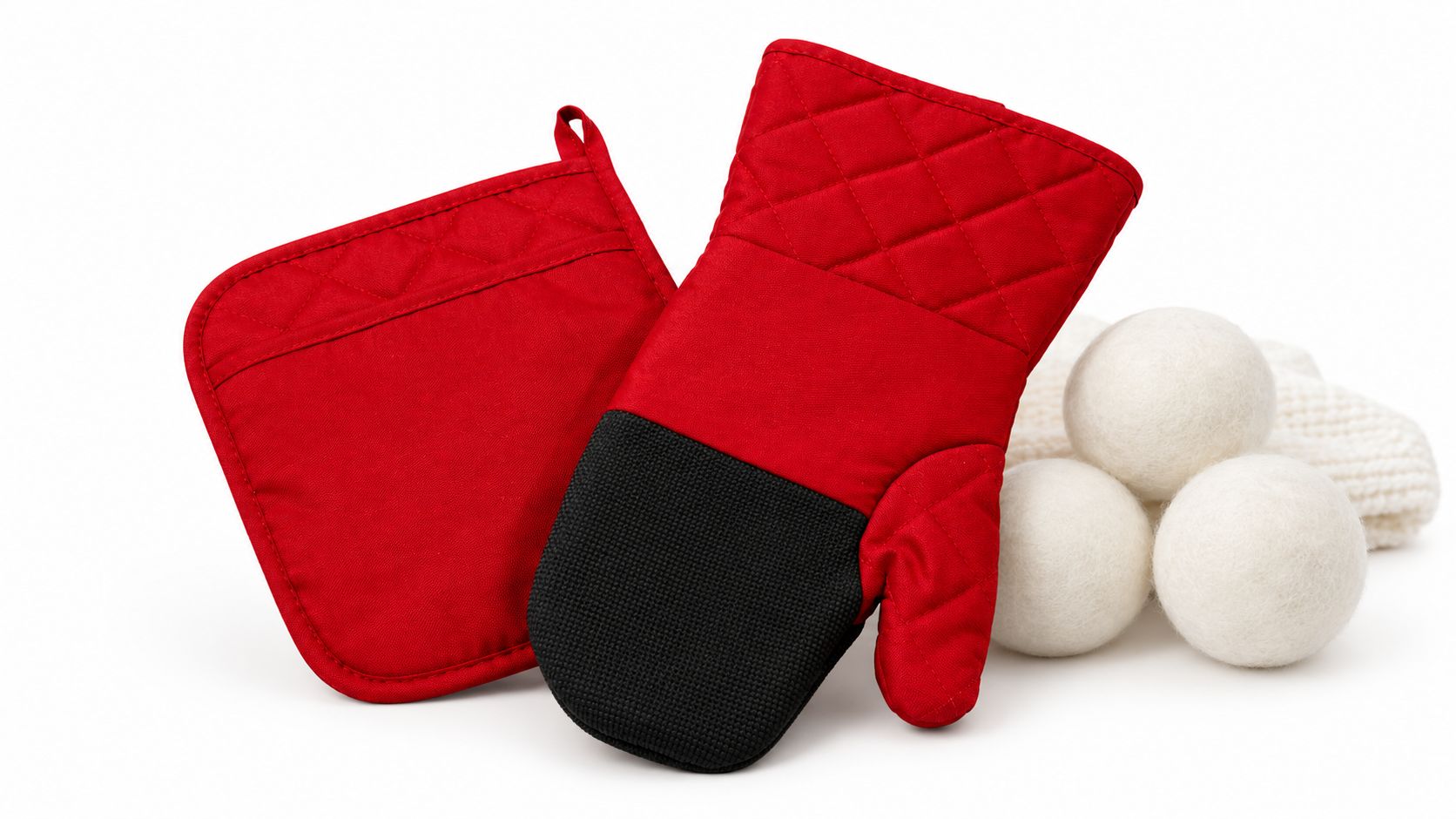
Cotton items such as the HOME AESTHETICS HA-4121 2pc Oven Mitt & Pot Holder Set illustrate why fibre choice still matters in a laundry routine. Its machine-washable 100% cotton construction can retain a familiar hand feel without relying on a conditioning film. Apply the same principle to washable cotton garments and household textiles: choose the right heat and drying movement for the material instead of adding more coating.
Adding Scent with DIY Fabric Sprays
A pleasant smell is not the same as soft fabric. Fragrance can mask stale odour while leaving fibres stiff, and an oily spray can create the residue that fabric softener alternatives are meant to avoid. Use a DIY spray for a light refresh, not to manufacture softness through a coating.
A spray makes sense for linen curtains, a winter coat between wears, or bedding that was stored cleanly. It cannot remove body oil, stains, or embedded odour from clothing that needs a proper wash. Spraying a dirty garment only spreads fragrance across the problem.
A restrained spray routine
Use a clean spray bottle and mix a small batch instead of storing a large quantity indefinitely. Combine water with a small amount of rubbing alcohol or witch hazel, then add a modest amount of fragrance oil. The alcohol or witch hazel helps distribute the oil through the liquid, but it does not make oil and water permanently combine. Shake the bottle before every use.
Spray a hidden seam first. Hold the bottle away from the textile and apply a fine mist that settles lightly, rather than a wet spray that penetrates the fibres. Let the fabric dry completely before wearing it or placing it against skin. Concentrated mixtures are more likely to leave spots, especially on pale, delicate, or highly absorbent material.
Fragrance should be optional. If someone in the household reacts to scented products, the considerate choice is no spray.
Botanical fragrance oils remain concentrated substances. A natural label does not make every oil suitable for children, pets, asthma-sensitive households, or irritated skin. Keep the bottle away from children, avoid spraying garments worn next to sensitive skin, and stop using the mixture if it causes discomfort.
Choose the dryer method carefully
A fabric spray belongs on a cool textile, not in the dryer drum. Heat can speed evaporation, but it can also move concentrated oil onto nearby fibres and create uneven marks. Dryer balls work by separating tumbling laundry and improving air movement. They do not need fragrance to perform that mechanical job, and adding oil can turn a reusable dryer aid into a source of residue.
If a load needs scent, use a product made for dryer use and follow its instructions. A closet sachet offers better control for stored clothing because the fragrance stays separate from the wash water, heat, and direct skin contact.
For storing or dispensing a homemade mixture, an oil and vinegar bottle setup can keep household liquids organised. Never reuse a container in a way that could confuse laundry additives with food. Label every bottle clearly and store it away from cooking supplies.
Judge the formula by the fabric, not the strength of the smell. Greasy texture, spots, or skin irritation means the mixture is too concentrated. A scent that fades quickly is acceptable. A light refresh is preferable to residue that follows the garment through every wear.
Fabric Compatibility and Allergy Considerations
Fabric softener alternatives work by different mechanisms, so compatibility depends on the textile. A rinse additive may improve the hand feel of cotton, yet leave activewear less breathable or microfibre less absorbent. Check the care label first, then match the method to the fabric's job.
Technical activewear needs to move moisture away from the skin. Avoid conventional softener and be cautious with any alternative that leaves an oily, waxy, or conditioning film. That coating can interfere with wicking and trap odour in synthetic fibres. Use a suitable detergent, rinse thoroughly, and follow the garment's recommended temperature and cycle. Wool dryer balls may improve airflow during drying, but they do not replace the correct heat setting.
Microfibre cloths rely on open surface structure to collect moisture and soil. A slick residue can fill that structure, making the cloth smear rather than absorb. Skip softener and do not treat a stronger fragrance as evidence of better cleaning. If a cloth feels greasy, wash it separately with an appropriate detergent and rinse until the coating is gone.
Flame-resistant children's sleepwear requires closer control. A natural ingredient can still alter the finish or handling of treated fabric. Follow the manufacturer's instructions rather than adding a homemade rinse or spray, and do not assume that a pleasant-smelling substitute is suitable for sleepwear.
Water hardness changes the result
As covered earlier, only ion exchange removes hardness minerals, so a rinse alternative can disappoint in a hard-water home. The California household water-softening guidance explains the role of ion-exchange systems and the available service arrangements.
Fabric choice helps reveal the problem. Microfibre and technical synthetics often show mineral stiffness or dull residue before sturdy cotton does. Test any rinse change on those loads first, rather than replacing the entire routine at once. If the problem is detergent residue, a properly timed rinse may improve texture. If minerals continue entering the wash, an additive can only limit the surface effect, not change the water chemistry.
Graywater adds another constraint for California households. Laundry-to-Landscape guidance directs loads containing bleach or fabric softener to the sewer instead of plant reuse. Consumer Reports' discussion of fabric softener and graywater guidance highlights that operational concern. Vinegar or wool balls may fit a reuse-focused routine better, but local system requirements still control what can enter the graywater flow.
People with fragrance sensitivity should change one variable at a time. Remove conventional softener, switch to unscented detergent, and keep the rest of the routine stable before testing a spray or essential oil. Stop if irritation appears. This controlled approach makes the trigger easier to identify and avoids replacing one residue problem with another.
Troubleshooting Common Laundry Issues
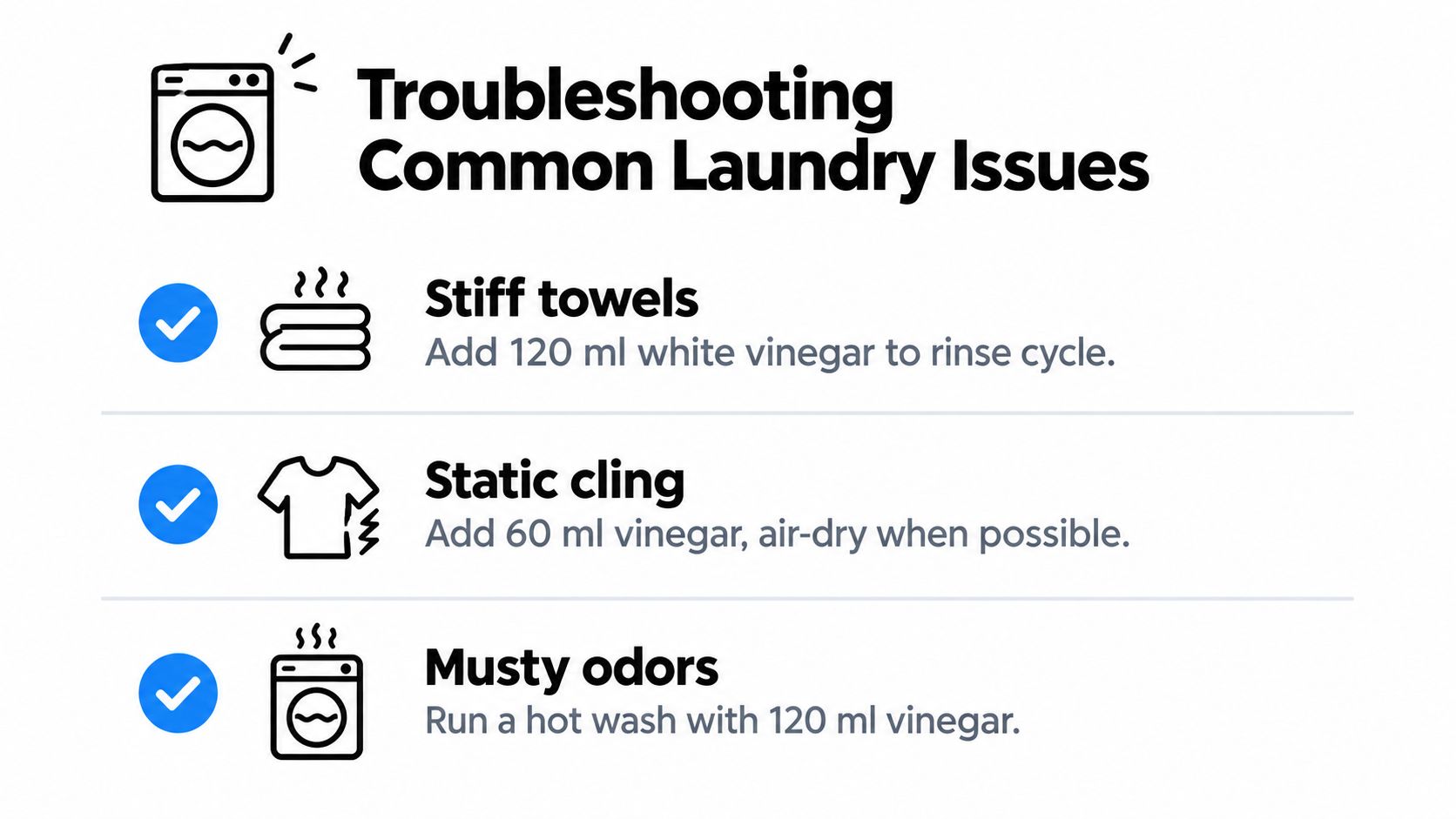
Stiff laundry usually points to a process problem, not a missing fragrance. Check whether the drum is overfilled, the detergent is over-measured, or the load is being dried for too long. Towels can also feel rough when detergent and mineral residue remain in the loops, especially after repeated washing in hard water.
Start with a sturdy cotton load. Reduce the detergent to the amount appropriate for the soil level and machine, use an extra rinse if residue is suspected, and try a modest vinegar rinse in the correct dispenser. Don't keep increasing the vinegar if the texture doesn't change. At that point, the household may be dealing with persistent water hardness rather than insufficient softener.
Static needs a dryer adjustment
Static cling is strongly affected by fabric mix, dry air, and over-drying. Synthetic garments rubbing against one another can cling even when they are clean and soft. Wool dryer balls may help by separating items, but load management matters just as much.
Try these adjustments:
- Reduce over-drying: Remove synthetics when they're dry instead of running them through a long extra cycle.
- Separate fabric types: Keep lightweight synthetic garments away from heavy towels when practical.
- Lower the heat: High heat can increase fabric stress and isn't necessary for every load.
- Use a controlled dryer aid: Choose wool balls or a fragrance-free conditioning strip rather than adding a coating to technical garments.
- Air-dry selectively: Line drying removes the static created by tumbling, though it can leave some fabrics stiffer.
Musty odours call for appliance and load diagnosis. Leave the washer door or lid open between cycles, remove damp laundry promptly, and inspect the detergent drawer and door seal for residue. A machine that stays wet and closed can undermine even a carefully measured laundry routine.
Match the fix to the complaint
| Complaint | First check | Sensible next step |
|---|---|---|
| Scratchy towels | Detergent dose, overloading, and drying time | Run a well-rinsed cotton load and test a modest rinse-cycle alternative |
| Static cling | Synthetic-heavy load and over-drying | Separate fabrics, lower heat, and use mechanical dryer separation |
| Musty smell | Damp laundry and washer maintenance | Clean the machine's accessible areas and stop leaving wet loads inside |
| Oily or waxy feel | Conventional softener or excess additive | Pause all softeners and wash with correctly measured detergent |
| Scent without freshness | Fragrance masking soil or residue | Wash the garment properly instead of adding more perfume |
For stain-specific problems, use a targeted method rather than increasing softener. This guide to removing stains from clothes is a better starting point than trying to make a dirty garment smell clean.
The MONCTON P80 Anti-Dust Mites UV Vacuum Cleaner belongs to a different part of home care, but it can be considered when dust, fur, hair, or dander around bedding is contributing to a stale environment. Its listed design combines UV light, a 2500 rpm roller brush, and strong suction, so it should be evaluated as a cleaning appliance, not as a laundry additive.
Choose one change, run several comparable loads, and judge the fabric by absorbency, odour, static, and feel. The best fabric softener alternative is the one that corrects your specific laundry problem without creating another one.
GrifGlo brings practical home products and decision-friendly guides together, including tools for laundry organisation, garment care, and everyday household routines. Visit GrifGlo to compare useful options and build a laundry system that fits your fabrics, water conditions, and preferred drying method.

Laisser un commentaire
Ce site est protégé par hCaptcha, et la Politique de confidentialité et les Conditions de service de hCaptcha s’appliquent.