

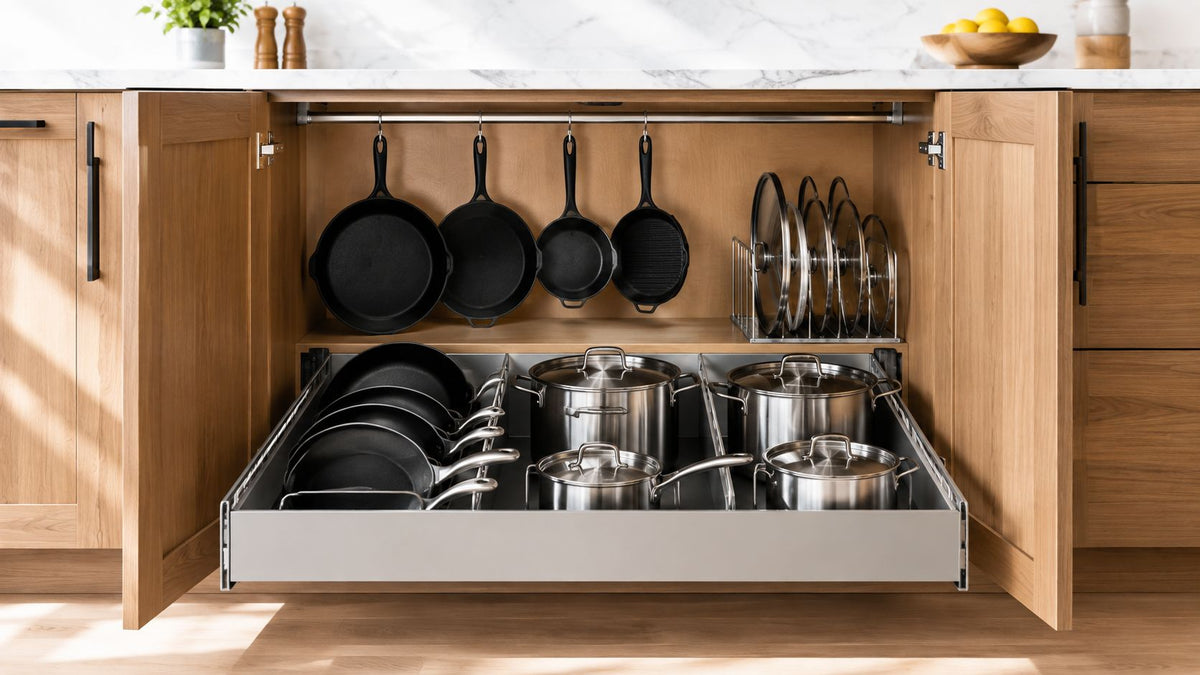
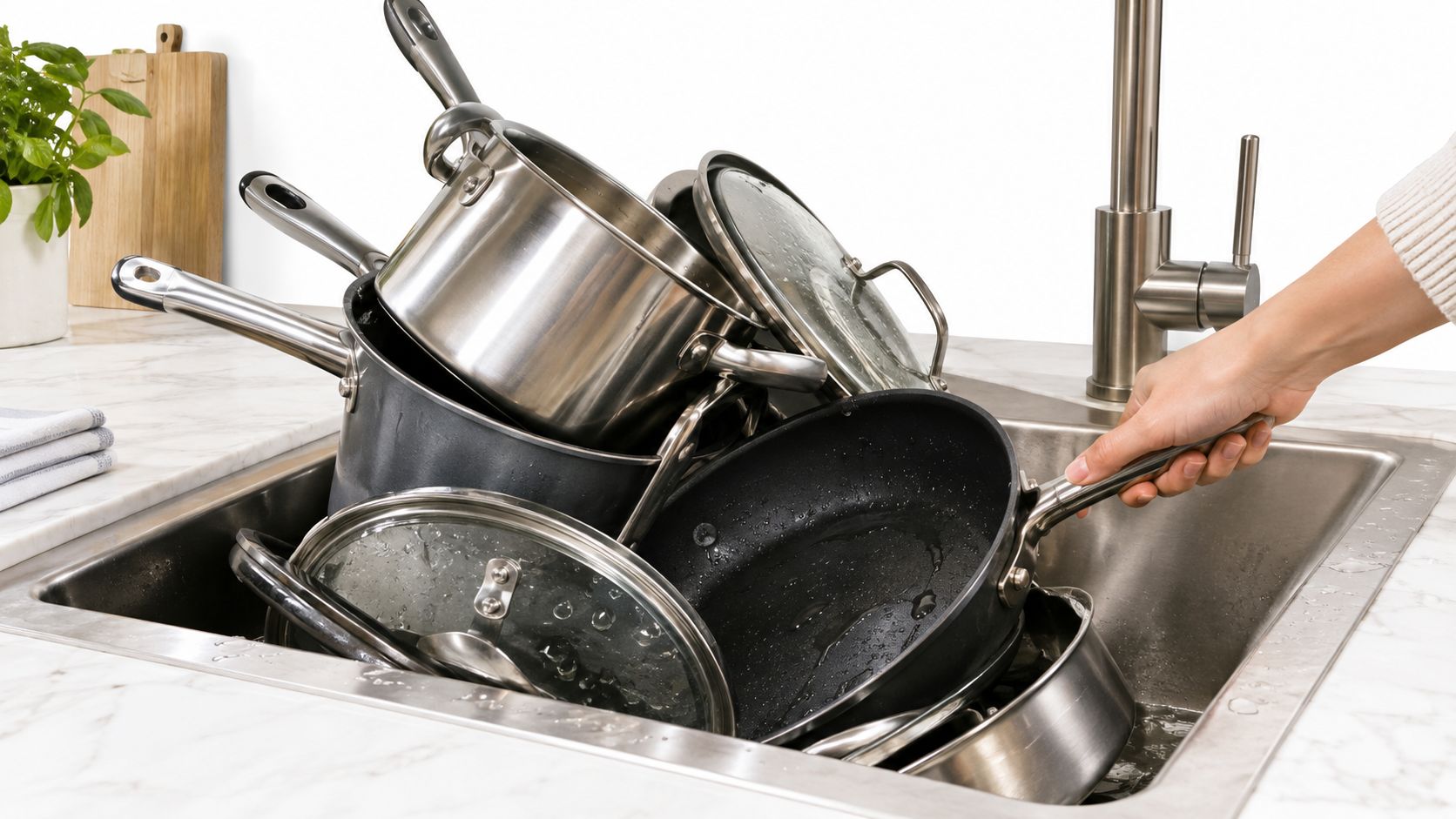
You reach for the skillet, the lid slips sideways, and the nested cookware stack avalanches into the sink. A pan handle catches on a pot, two lids clatter to the floor, and the piece you need ends up at the bottom. The problem isn't that you own too many pots and pans. The problem is that your storage makes every cooking session a retrieval task.
Good pot and pan storage gives each frequently used item a clear path in and out. Cabinet depth, lid placement, weight distribution, and your daily cooking routine matter more than making a taller stack. Modern Canadian kitchen systems treat cookware storage as a core planning issue, with dedicated pull-outs, baskets, spice racks, and pot racks represented across Home Depot Canada's cabinet-organisation assortment. The same principle applies in California apartments, small homes, and food facilities. Storage needs to fit the space, survive the load, and remain easy to clean.
Table of Contents
- When Pots Take Over the Kitchen
- Measuring Your Space and Your Cookware
- Storage Styles Compared Side by Side
- Renter Friendly Choices That Hold Up
- Installing Safely and Maintaining Daily
- Weight Safety and Stability Most Guides Skip
- Buying Checklist and Common Questions
When Pots Take Over the Kitchen
A stack can look tidy while still failing at its only important job, getting cookware into your hands quickly. If you have to remove four pans to reach one skillet, or lift a heavy Dutch oven over a row of fragile lids, the cabinet is organised for appearance rather than use.
Nested cookware creates friction because the largest item determines the shape of the whole stack. A shallow pan may be used every morning, but it gets buried beneath pieces that come out only for batch cooking. Lids create a second bottleneck. They slide, rattle, and occupy the awkward space above a stack, so the cabinet becomes difficult to close even when the cookware itself fits.
Practical rule: Store cookware according to retrieval frequency first, size second, and appearance last.
Heavy cookware creates a separate problem. A cast-iron pot placed on a weak or poorly supported shelf can cause sagging, while repeated dragging can scratch non-stick surfaces. A cabinet made with particleboard may handle ordinary storage well but still perform badly when a concentrated load sits in one spot and gets pulled forward every day.
Start by observing what happens during a normal meal. If you use one sauté pan, one saucepan, and one lid repeatedly, those pieces belong at the front of a lower drawer or pull-out. Occasional stockpots can move farther back. Lids should stand upright or occupy a dedicated shallow zone, not float loose above a stack.
Renters need a different answer from homeowners. A permanent drawer conversion or wall rail may be excellent in an owned kitchen but unreasonable when drilling, adhesives, or added load can affect a lease. For more basic arrangements, compare your cabinet layout with this guide to organising pots and pans, then choose a system that matches the way you reach for cookware.
The following video is useful as a visual reminder that access, not just neatness, should drive the arrangement.
Measuring Your Space and Your Cookware
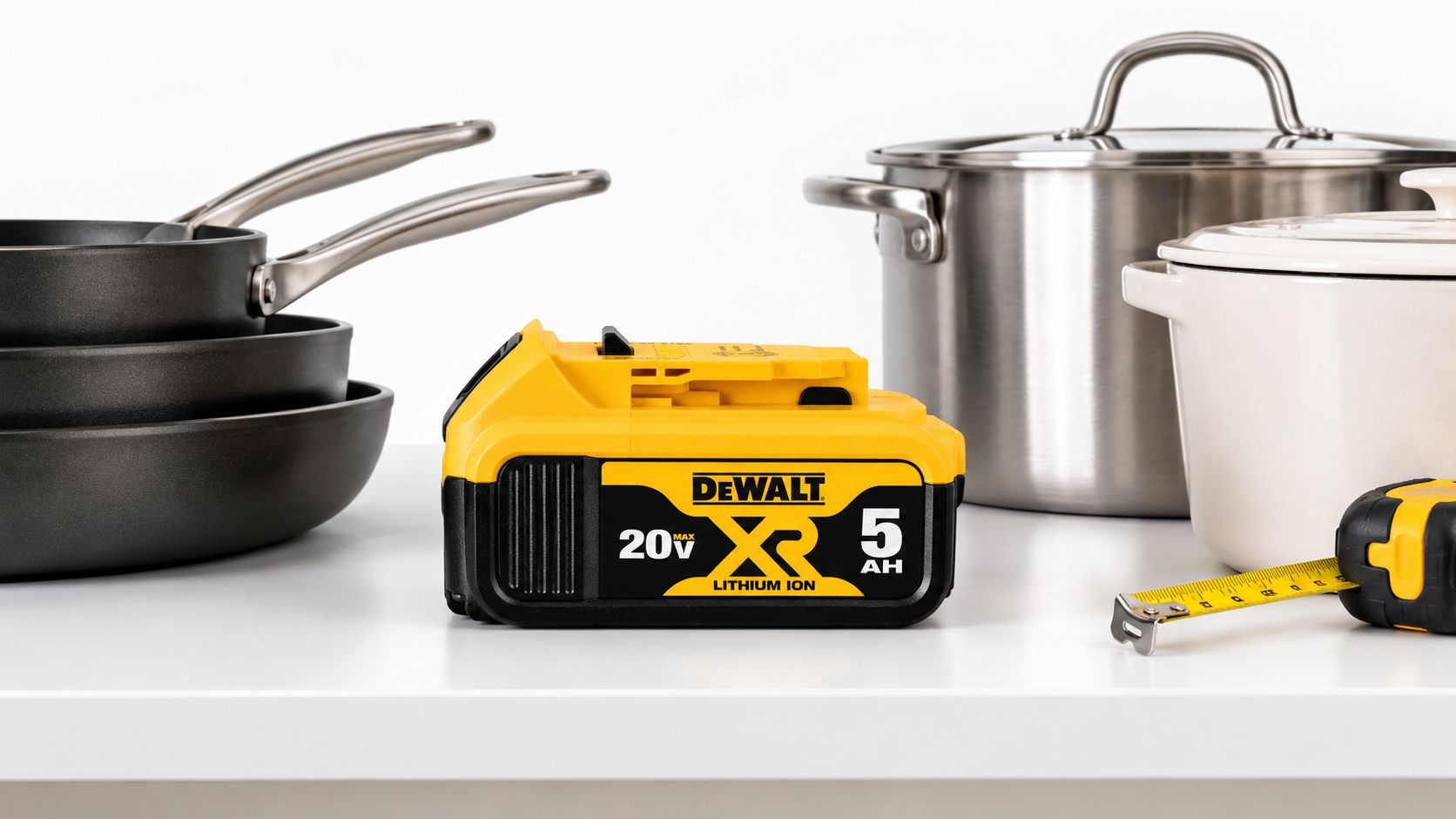
Measure the cabinet before shopping. Open the door fully and record the usable interior depth, measured from the front obstruction to the back wall. Then measure the clear height from the shelf surface to the lowest obstruction, such as a hinge, drawer rail, or cabinet frame. Finally, check the opening width and the clearance needed for the door to close without hitting a rack.
A nominal cabinet size is not a reliable fit measurement. Face frames reduce the opening, hinges steal corner space, and a shelf may be shallower than the cabinet box. Measure the route as well as the destination. A rack that fits inside may still be impossible to insert through the door opening.
Sort the cookware into three practical groups:
- Lightweight pieces: Aluminium pans, thin baking trays, and small skillets can usually use vertical dividers or a modest drawer insert, provided the manufacturer permits that load.
- Mid-weight pieces: Stainless-steel saucepans and everyday frying pans suit a drawer, pull-out frame, or upright divider with stable bases.
- Heavy pieces: Cast iron, enameled Dutch ovens, and thick stoneware belong low and close to structural support. Don't place them on a high shelf or a lightly mounted door rack without confirming the load rating.
For lids, measure the widest handle and rim, then leave enough open clearance for the lid to slide out without catching. The exact gap depends on the organiser and lid shape, so treat the organiser's internal spacing as a specification to verify, not a guess.
Use the measurements to choose the format
Deep cabinets favour pull-outs or full-extension drawers because they turn hidden rear space into reachable storage. Narrow cabinets often work better with upright slots, but only if the opening is wide enough to remove one pan without lifting the others. Tall cookware needs vertical clearance, while shallow pans need separators that keep their coated surfaces from rubbing.
If you're considering a raised rack, the Ordora Pots & Pans Organizer, 4D-21H, 21-Inch listing specifically tells shoppers to measure cabinet size before purchase. Its snapshot describes a high design, double prongs, a reinforced counterweight frame, and adjustable assembly, but you still need to verify your cabinet opening and the product's actual load suitability for your cookware.
| Weight Class | Examples | Min Cabinet Depth | Shelf Load Guideline |
|---|---|---|---|
| Lightweight | Aluminium pans, trays, small skillets | Confirm the organiser's required depth | Keep within the stated rating |
| Mid-weight | Stainless saucepans, everyday frying pans | Measure the full pan and handle path | Spread pieces rather than concentrating them |
| Heavy | Cast iron, enameled Dutch ovens, stoneware | Use a lower, fully supported zone | Follow the shelf or rack rating exactly |
Before buying a drawer insert, check the kitchen drawer organiser guidance against your measurements. A product that leaves no room around handles will slow retrieval, even if every pan technically fits.
Storage Styles Compared Side by Side
No single storage style wins every kitchen. A deep drawer is usually the strongest choice for daily cookware, while a rail can be excellent when the pans are attractive, frequently used, and safe to display. Dividers are better for protecting surfaces than for maximising capacity, and lid storage deserves its own decision rather than being treated as an afterthought.
| Style | Access Speed | Capacity Trade-off | Best For | Skip If |
|---|---|---|---|---|
| Deep drawer with dividers | Fast | Uses valuable drawer volume | Daily-use pans and pots | The drawer box is weak or shallow |
| Pull-out rack | Fast for deep cabinets | Hardware occupies side and bottom space | Rear cabinet access | The cabinet cannot support the fitting |
| Wall or ceiling rail | Immediate visual access | Uses wall or overhead space | Owned kitchens with suitable structure | You rent, have limited wall space, or store very heavy pieces |
| Vertical pan dividers | Fast for shallow pans | Requires one slot per item | Non-stick pans, trays, and baking sheets | Handles collide or the cabinet opening is narrow |
| Lid organiser | Fast for lids | Takes a separate section | Kitchens where lids cause the most clutter | The lids are oversized or cannot stand securely |
Deep drawers and pull-outs
A deep drawer wins when you cook often. You can lift one item without dismantling a pile, and a divider keeps handles from crossing. The drawback is capacity. A drawer needs clearance around each piece, so it may hold fewer items than a compact stack.
Pull-out racks are the better retrofit for a deep base cabinet. They bring rear cookware forward, but the frame and runners consume usable space. Choose stainless steel or another corrosion-resistant construction where humidity, steam, and frequent wiping are unavoidable. Cheap coated wire can work, but inspect welds, coating integrity, and how the rack contacts the cabinet floor.
Hanging rails and upright dividers
A rail offers the quickest visual retrieval. It works best for a small group of attractive pans that you use regularly. Mount it into a suitable structural surface, keep handles from obstructing walkways, and don't treat an adhesive hook as equivalent to a mechanically secured rail.
Vertical dividers protect non-stick coatings by preventing pans from rubbing together. They also make sheet pans and shallow skillets easy to pull out. The trade-off is fixed space. A wide pan may consume a slot that could otherwise hold several small pieces.
Lid organisers solve a common failure point. Give lids a stable upright home, preferably close to the corresponding pans. If lids are stored separately across the kitchen, retrieval becomes a matching exercise and the cabinet will drift back into disorder.
Use the kitchen cabinet organisation guide to assess the surrounding cabinet system, not just the cookware compartment. Choose a drawer for daily drivers, a pull-out for deep hidden space, dividers for shallow pieces, a rail for secure display, and a lid organiser when lids are blocking everything else.
Renter Friendly Choices That Hold Up
Renters should begin with the lease, not the product catalogue. Separate changes into what you can reverse cleanly, what needs written approval, and what you should avoid entirely.
Sort the installation by risk
Shelf liners, freestanding inserts, drawer organisers, and removable tension systems usually change the contents rather than the property. They're the sensible starting point for most rentals. Test any tension rod under light conditions first, and place it where a failed grip won't send cookware onto a foot or countertop.
Door-back racks and adhesive hooks need more caution. Heat, grease, textured finishes, and repeated loading can weaken adhesives or strip cabinet surfaces. A hook rated for general household use isn't automatically suitable beside a hot hob or for a heavy cast-iron pan.
Drilling into tile, stone, or cabinet sides requires approval. So does under-cabinet mounting where the installation may affect wiring, lighting, or the cabinet's load path. Skip built-in drawer banks, permanent dividers, and anything that leaves holes or altered joinery when you move out.
Match the solution to the rental
For a deep cabinet, choose a freestanding or lightly secured pull-out only if the cabinet floor is sound and the product can be removed without damage. For a narrow cabinet, use upright dividers that sit on the shelf rather than permanent partitions. For a wall-limited kitchen, a rolling cart or freestanding floor rack gives you capacity without consuming a wall.
California renters face a practical gap in ordinary organisation advice. Coverage often recommends pull-outs, dividers, and Lazy Susans without explaining how to choose among them when cabinets are deep but narrow, walls are unavailable, or installations must remain reversible, as illustrated by Wirecutter's small-kitchen ideas. The right choice depends on cabinet depth and retrieval frequency, not on whether a product looks clever online.
A simple filter works well. Use an in-cabinet organiser when the shelf is stable and the lease prohibits alterations. Use an over-the-door rack only when the door and hinges can carry the load without rubbing. Use a wall rail only when you own the property or have approval, and when secure mounting is possible.
Installing Safely and Maintaining Daily
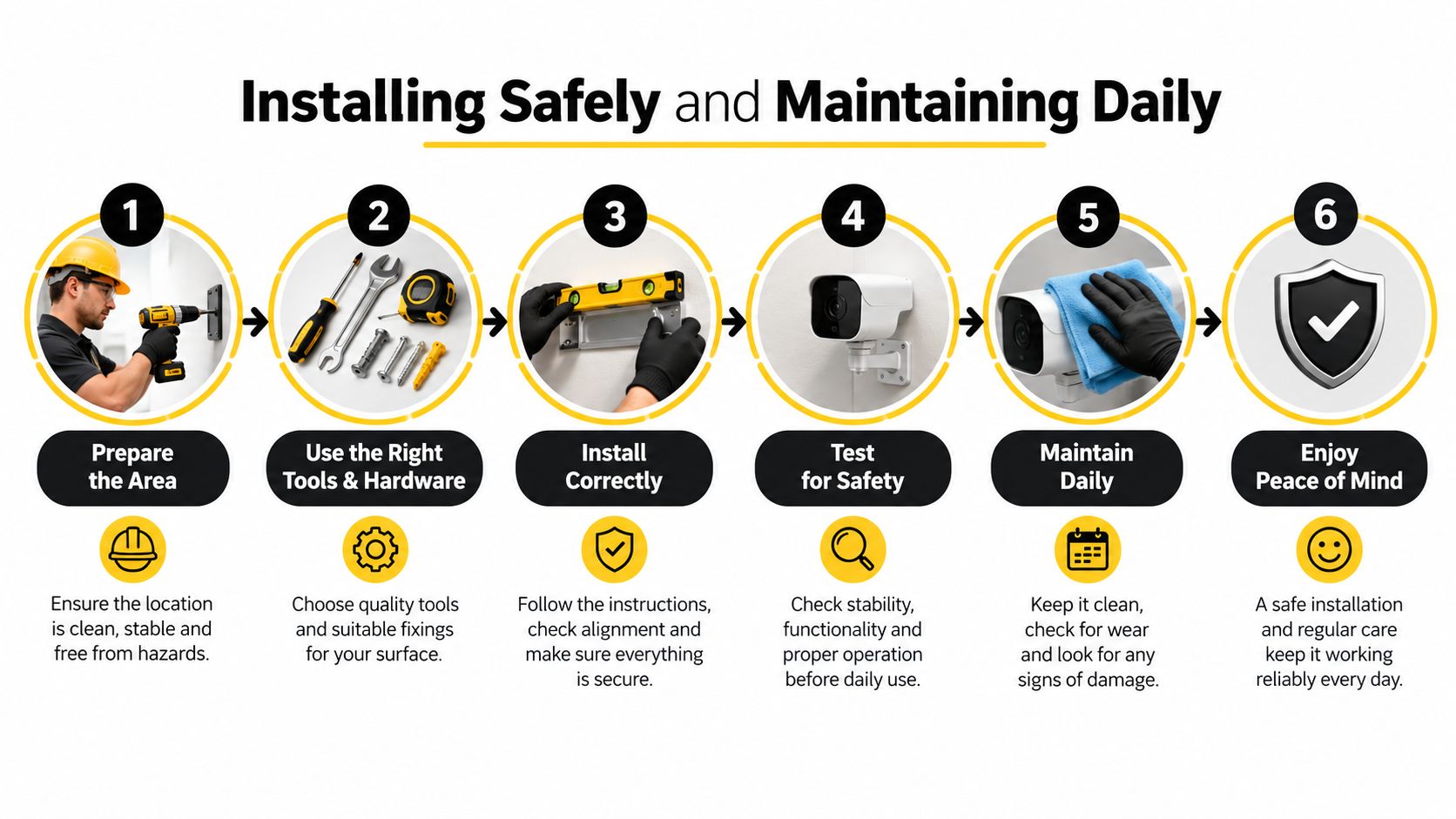
A storage system fails at its attachment points before it fails at its advertised capacity. Before mounting a rail or rack, identify studs, solid cabinet walls, or another structure capable of holding the expected load. Drywall, plaster, tile, and thin cabinet panels need different fasteners, so use an anchor designed for the actual substrate rather than forcing a general-purpose screw into it.
Read the manufacturer's weight limit and treat it as a ceiling, not a target. Include the organiser itself, the cookware, and the force created when you pull a pan forward. A rack that holds a static load may behave differently when a drawer is extended or a hanging pan swings.
Taller freestanding units need anti-tip protection, especially in households with children, pets, or uneven floors. Rolling carts should have locking casters and a low centre of gravity. Wall rails need level mounting and enough clearance for handles, lids, and nearby doors.
Keep cookware dry and reachable
Moisture trapped between nested pans encourages odours, spotting, and corrosion. Dry each piece before storage, leave airflow between pans where possible, and avoid returning a warm, wet lid to a closed pot. For food facilities, California guidance requires cleaned equipment and utensils to be stored in a clean, dry place protected from splash and dust, with storage at least 6 inches above the floor. The California Retail Food Code reference-2023) also describes covering or inverting self-draining items so they can air-dry properly.
A household doesn't need to copy every commercial procedure, but the logic is sound. Keep cookware away from chemical storage, leaks, sewer lines, and floor contamination. In a food facility, pots and pans should remain inside the enclosed facility, and storage shelving should maintain a cleanable space beneath it, as set out in California plan-check guidance.
Wipe rails, dividers, and drawer surfaces regularly. Use mild dish soap for grease and follow the cookware manufacturer's care instructions. Diluted vinegar can help with mineral residue on compatible hard surfaces, but don't assume it is a food-service sanitiser, and don't use it where the material or finish could be damaged.
Fix failures before they become damage
- Stuck drawer: Remove cookware and check whether handles or dividers are catching the cabinet frame. Redistribute the pieces before adjusting the runners.
- Sagging shelf: Empty the shelf, inspect the supports, and move dense cookware to a lower, better-supported zone. Don't compensate by adding another rack.
- Rattling lids: Separate lids by diameter, align handles, and add a stable divider. A loose lid can chip enamel or damage a neighbouring pan.
- Sliding rack: Check the fasteners, floor level, and rear clearance. Stop using it if the frame twists under load.
- Damp cookware: Improve drying before storage and leave space around pieces. Reorganising wet cookware only hides the cause.
For non-stick surfaces, use a soft separator where pieces must nest and follow a careful cleaning routine such as the one outlined in this guide to cleaning a non-stick frying pan. The storage system should protect the coating, not make careful cleaning pointless.
Weight Safety and Stability Most Guides Skip
Adding another vertical rack doesn't automatically solve clutter. A tall arrangement can place more stress on cabinet walls, shelf pins, hinges, and fasteners, especially when you pull one piece from the front. Heavy cookware also concentrates force in a small footprint, so a shelf may appear fine until the cabinet begins to bow or the mounting points loosen.
Cast iron and thick enameled cookware deserve the lowest storage position available. Renters with upper cabinets full of heavy pieces should move dense items into lower cabinets, even if that means storing lighter pans elsewhere. In California kitchens, seismic movement makes stability and anti-tip protection more important than squeezing every possible item into a tall rack. Independent product coverage has also highlighted divided lower cabinets and toe-kick drawers as access improvements for trays and baking pans, supporting the broader point that cookware storage is a retrieval design problem, not a capacity contest. See the Apartment Therapy organisation coverage for that product context.
Don't rely on an assumed shelf rating. Cabinet construction varies, and the rating may apply only to an evenly distributed static load. Check the cabinet maker's documentation where available, inspect shelf supports, and account for the pulling motion created by drawers and sliding racks.
| Cookware Type | Avg Weight Per Piece | Stack of 3 | Risk Level |
|---|---|---|---|
| Lightweight aluminium | Light | Usually manageable when supported | Low, if surfaces are protected |
| Mid-weight stainless steel | Moderate | Can become awkward in a deep stack | Moderate |
| Cast iron or heavy enamel | Heavy | Concentrated and difficult to retrieve | High on upper or weak shelves |
Stability rule: Cap the stack height, spread dense cookware across supported surfaces, and anchor tall units.
Hanging storage needs the same discipline. A wall hook may hold one light pan securely but become unsuitable when several heavy pieces share a rail. Ceiling storage adds an overhead hazard if the structure, fasteners, or clearance haven't been verified. If you can't confirm the substrate and the load path, use a lower freestanding solution instead.
The practical goal isn't maximum capacity. It's a stable arrangement where the heaviest item can be removed without shifting the cabinet, bending the shelf, or forcing you to reach over other cookware.
Buying Checklist and Common Questions
A good organiser should pass this checklist before it enters your kitchen. Take measurements with you, read the product specifications, and reject anything that relies on vague capacity language.
- Cabinet depth match: Confirm the usable interior depth, not the advertised cabinet size.
- Opening clearance: Check the door, face frame, hinges, and handle path.
- Drawer construction: Look for a solid drawer box and runners suited to the intended load.
- Weight rating: Find the manufacturer's stated rating and leave room below it.
- Anti-tip hardware: Require secure anchoring for tall racks, carts, and pull-outs.
- Renter-safe mounting: Prefer removable systems when drilling or permanent adhesives aren't allowed.
- Lid compatibility: Check handle height, rim width, and upright stability.
- Material choice: Favour corrosion-resistant metal in humid, steamy areas, and inspect coated wire for chips.
- Cleanability: Avoid deep crevices that trap grease, dust, or moisture.
- Footprint and total cost: Compare the space consumed with the access gained, then choose a price tier that reflects construction and hardware rather than appearance alone.
GrifGlo groups kitchen organisation products with sizing advice and decision-focused guides, which can help shoppers compare fit, usability, and purchasing options without browsing an undifferentiated catalogue. Use a structured decision-making framework before committing to a rack that looks efficient but doesn't suit your cabinet.
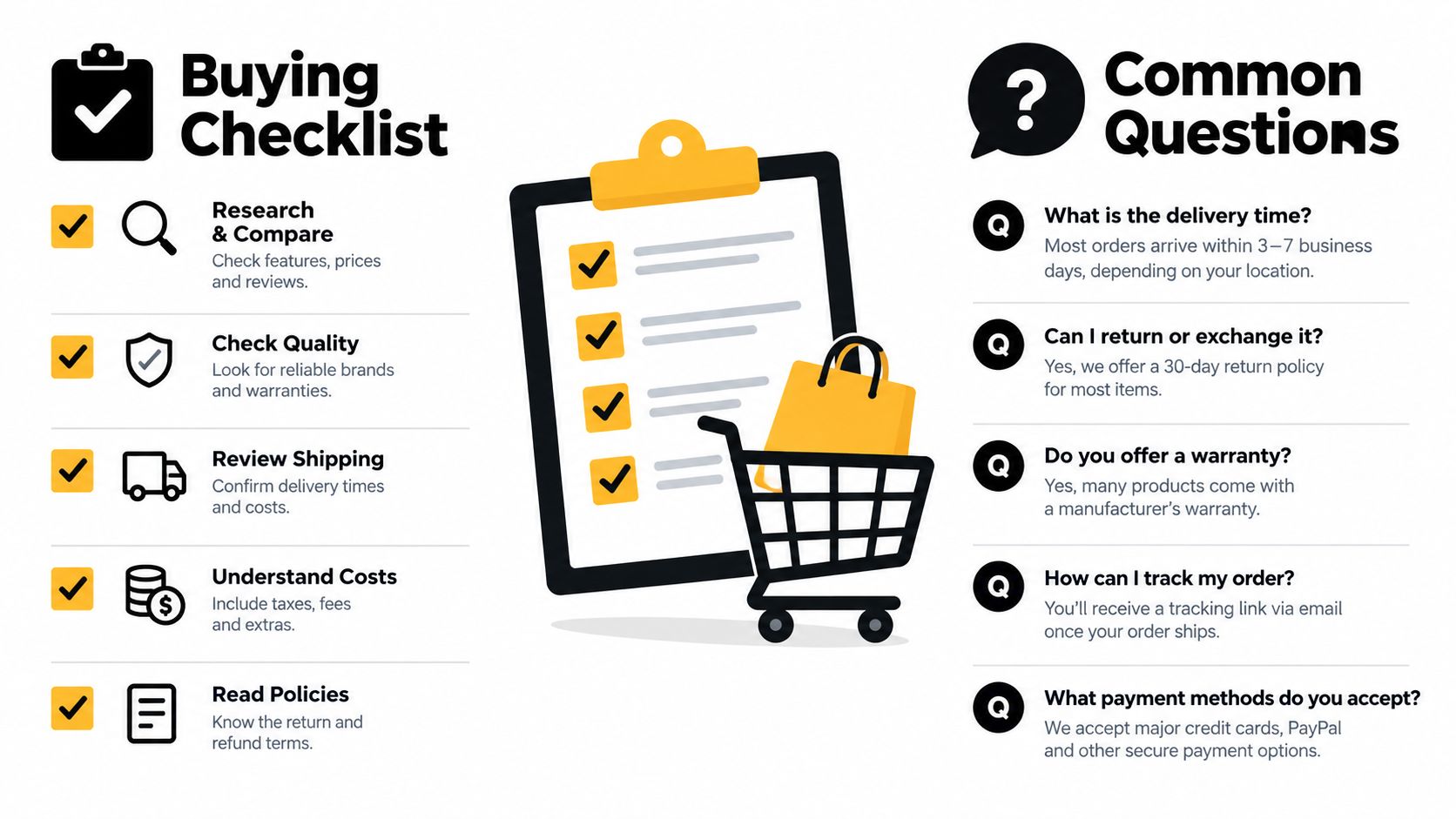
Common questions
How deep should a cabinet be for a pot drawer?
Don't shop from a generic depth label. Measure the clear interior, the drawer hardware, and the closing path, then compare those measurements with the organiser's required dimensions. A drawer that barely closes isn't functional storage.
Do over-the-door racks damage cabinet doors?
They can. Added weight may strain hinges, the rack may rub the door, and padding can trap grease. Use one only when the door construction, hinge capacity, clearance, and product instructions support it.
What's the safest way to hang cast iron?
Use a mechanically secured rail or hooks mounted into suitable structure, and keep the number of pieces within the stated load limit. For renters or uncertain walls, store cast iron in a supported lower cabinet instead.
Do vertical dividers work for sheet pans?
Yes, when the slots are wide enough and the cabinet opening lets you remove one pan without lifting the entire row. They're especially useful for shallow pieces, but they don't solve heavy-pot storage.
Should lids stay with their pots?
Keep them in the same general zone, but give lids their own upright or shallow compartment. That preserves the relationship without allowing loose lids to block the cookware.
What should a food facility prioritise?
Use cleanable, dry, protected storage, keep equipment off the floor, and prevent contact with splash, dust, leaks, chemicals, and other contamination sources. The storage method must support the wash, sanitise, drain, dry, and rack workflow rather than interrupt it.
The right system is the one you can use with one hand, clean without dismantling, and leave behind without damage if you rent. Measure first, move heavy cookware low, give lids a real home, and choose access over an impressive-looking stack.
GrifGlo helps shoppers compare practical kitchen, home, and organisation essentials with clear sizing and decision guidance. Visit GrifGlo to evaluate cookware-storage options by fit, usability, and real household requirements before you buy.


Laisser un commentaire
Ce site est protégé par hCaptcha, et la Politique de confidentialité et les Conditions de service de hCaptcha s’appliquent.